TorqueGirl / category
Technology
Materials, airflow, cooling and the engineering trade-offs that turn clever ideas into measurable performance.
Latest from the garage
Performance, explained.
Explore your recorded sensor data with the OBD2 Log Analyzer ↗
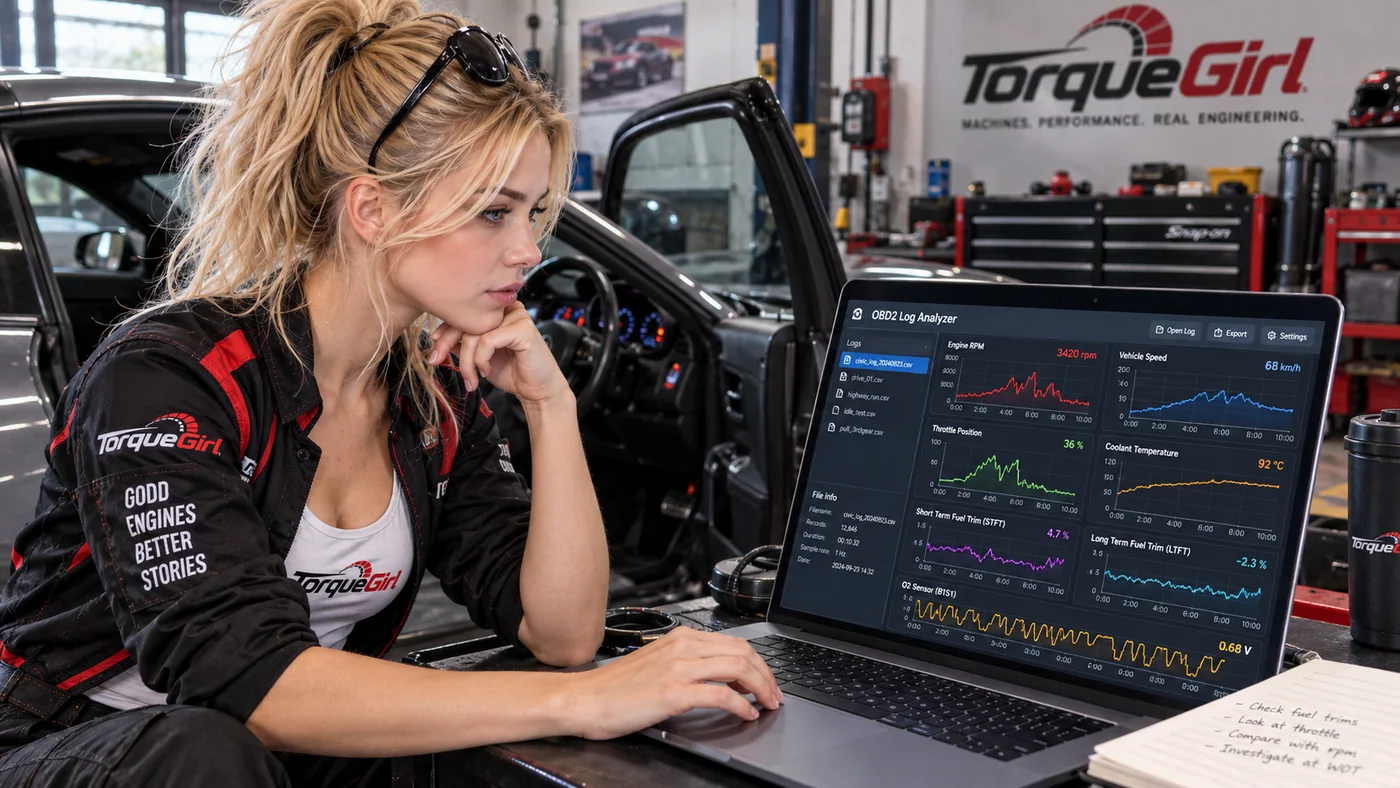
How to Record and Export OBD2 Logs
Prepare a useful OBD2 recording: choose channels, capture safe operating context, preserve timestamps and units, and export a log for local analysis.
Read the article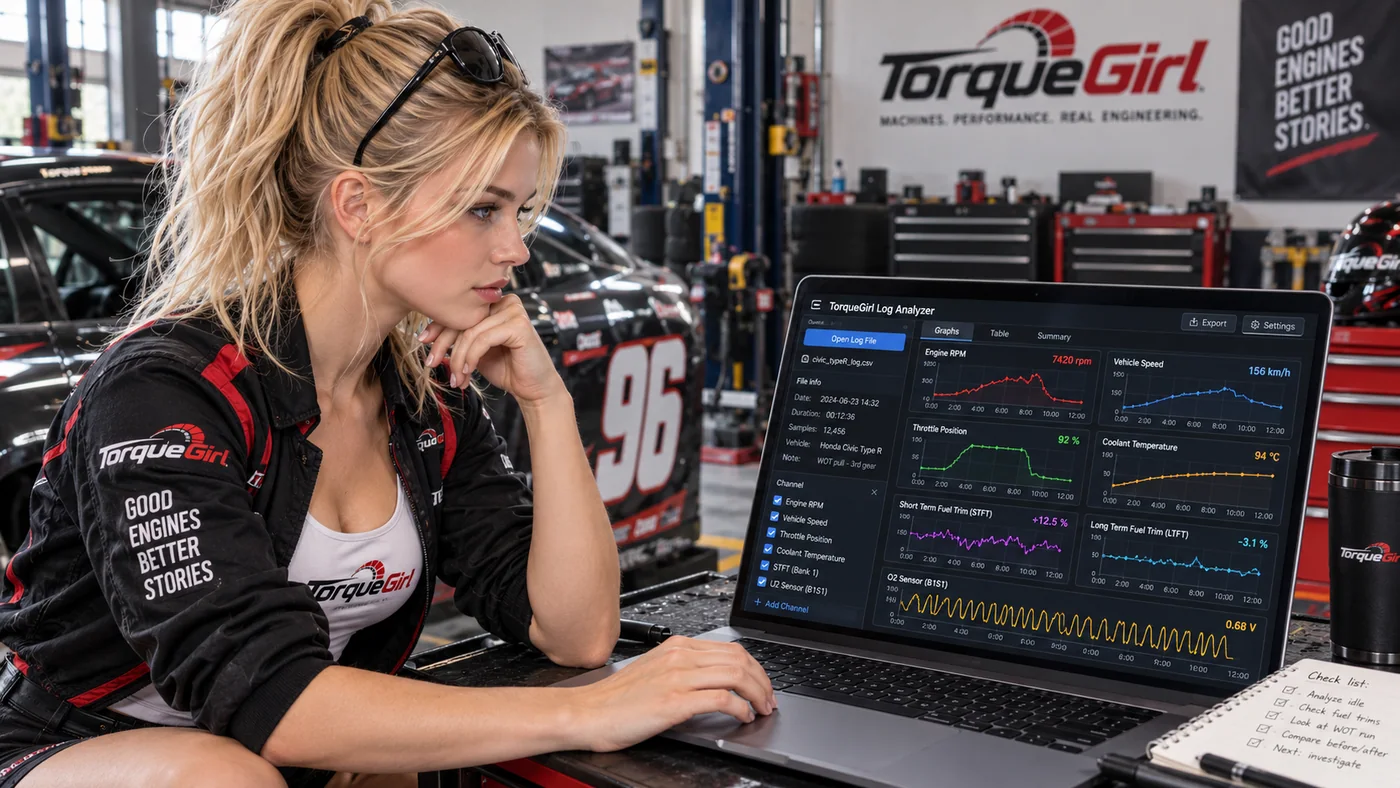
How to Analyze OBD2 Live Data and Logs
Learn how to record and read OBD2 live-data logs, compare RPM, throttle, fuel trims, coolant and oxygen-sensor data, and find useful patterns without jumping to conclusions.
Read the article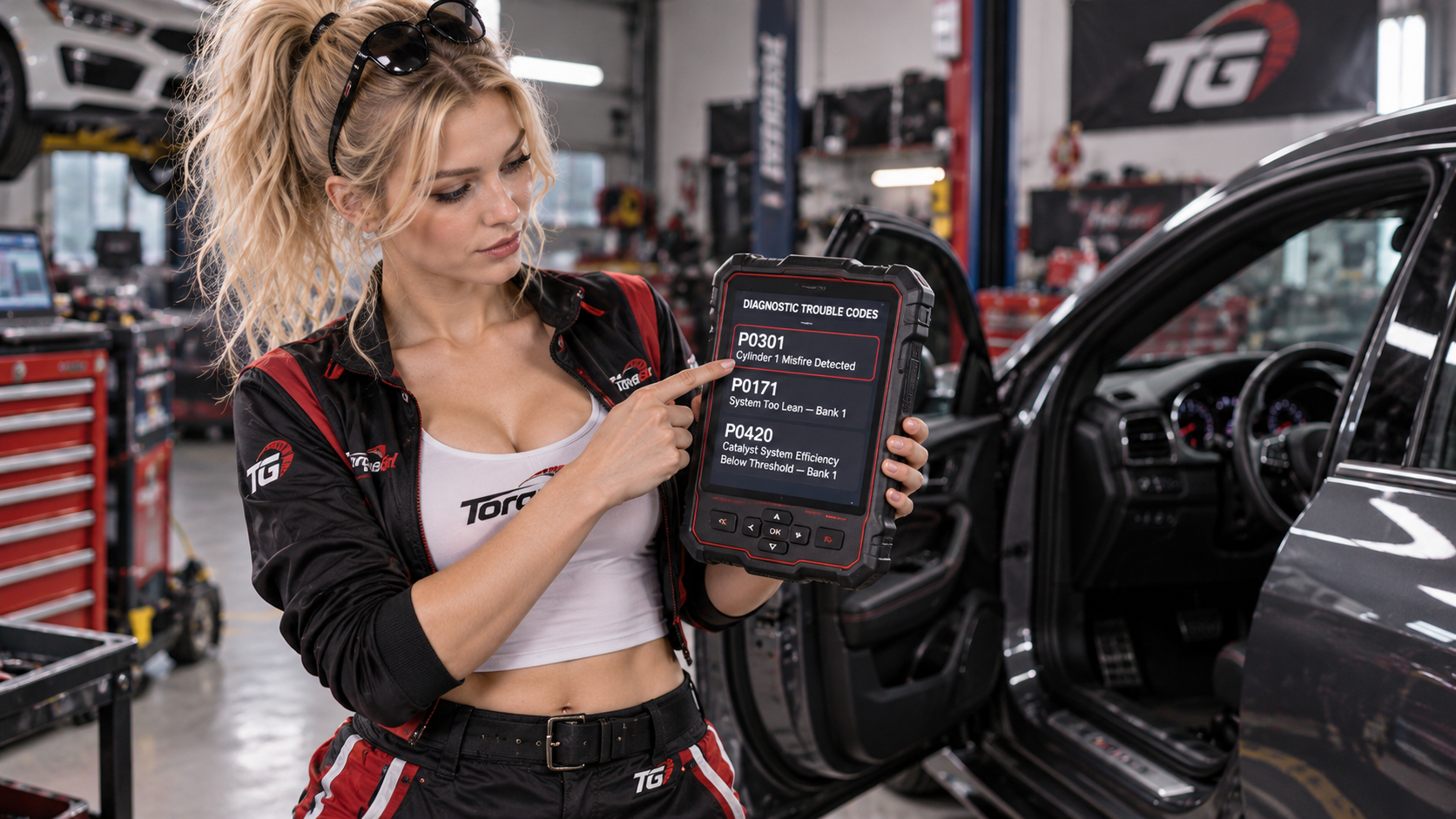
How to Read OBD2 Codes: P, B, C and U Codes Explained
Learn how to read OBD2 diagnostic trouble codes, understand P, B, C and U code families, and use code information as the beginning of diagnosis—not a parts list.
Read the article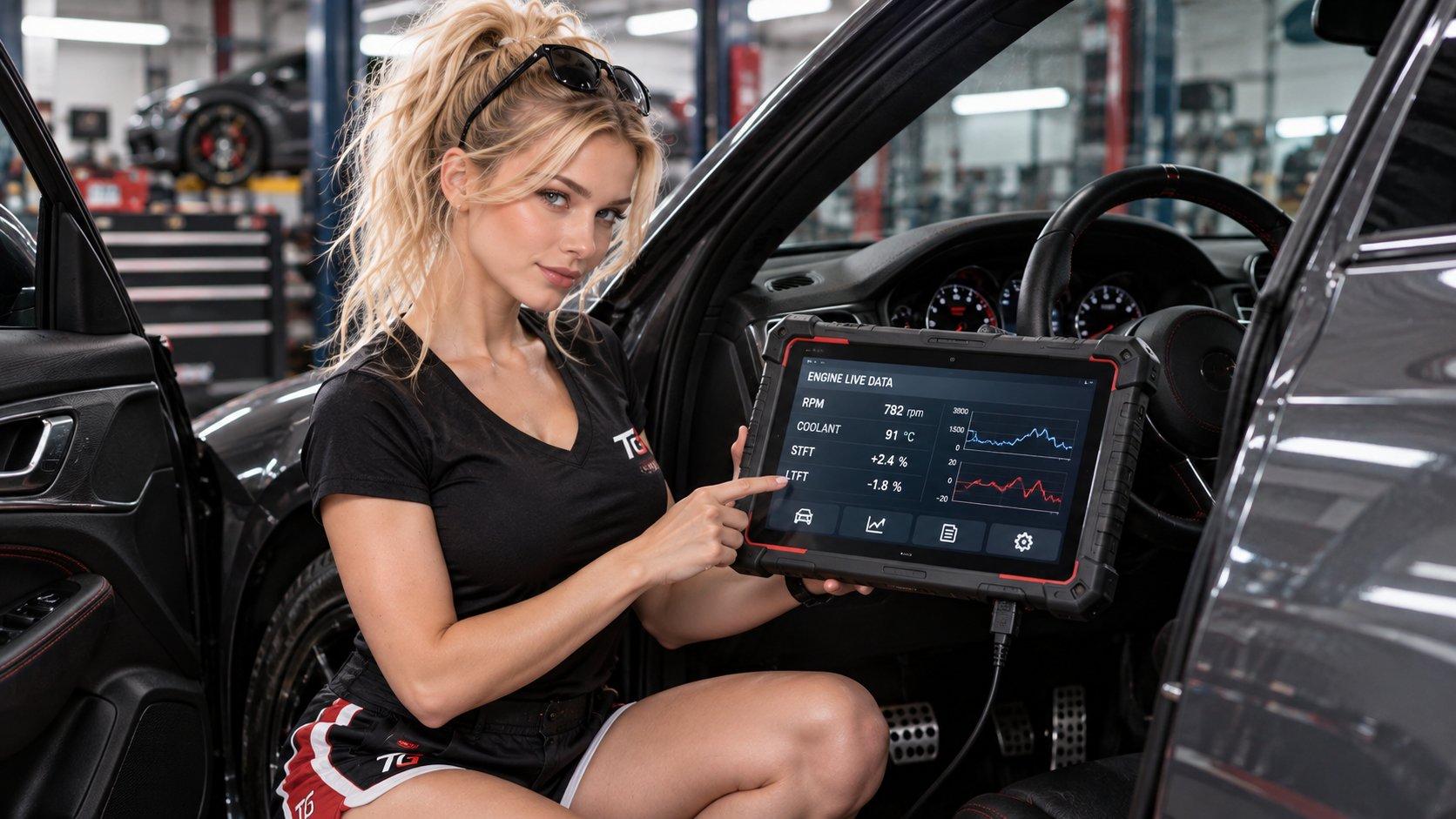
OBD2 Scanner vs Code Reader: What’s the Difference?
Compare a basic OBD2 code reader with an advanced scan tool, from generic trouble codes and live data to ABS, SRS, service functions, and bidirectional controls.
Read the article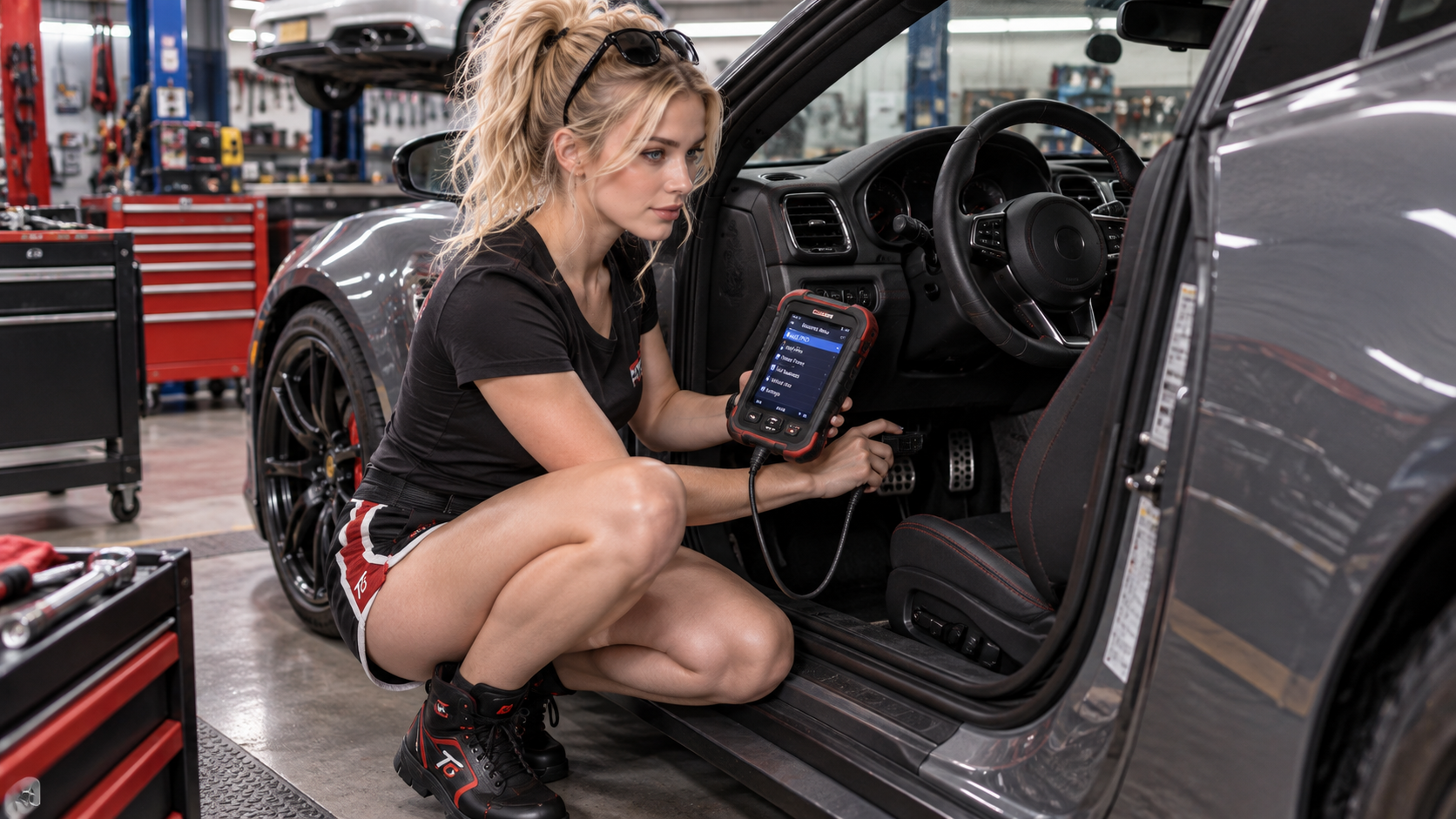
What Is an OBD2 Scanner? A Beginner’s Guide to Diagnosing Your Car
Learn what an OBD2 scanner does, where it plugs in, how diagnostic trouble codes work, and how to use scan data without guessing at parts.
Read the article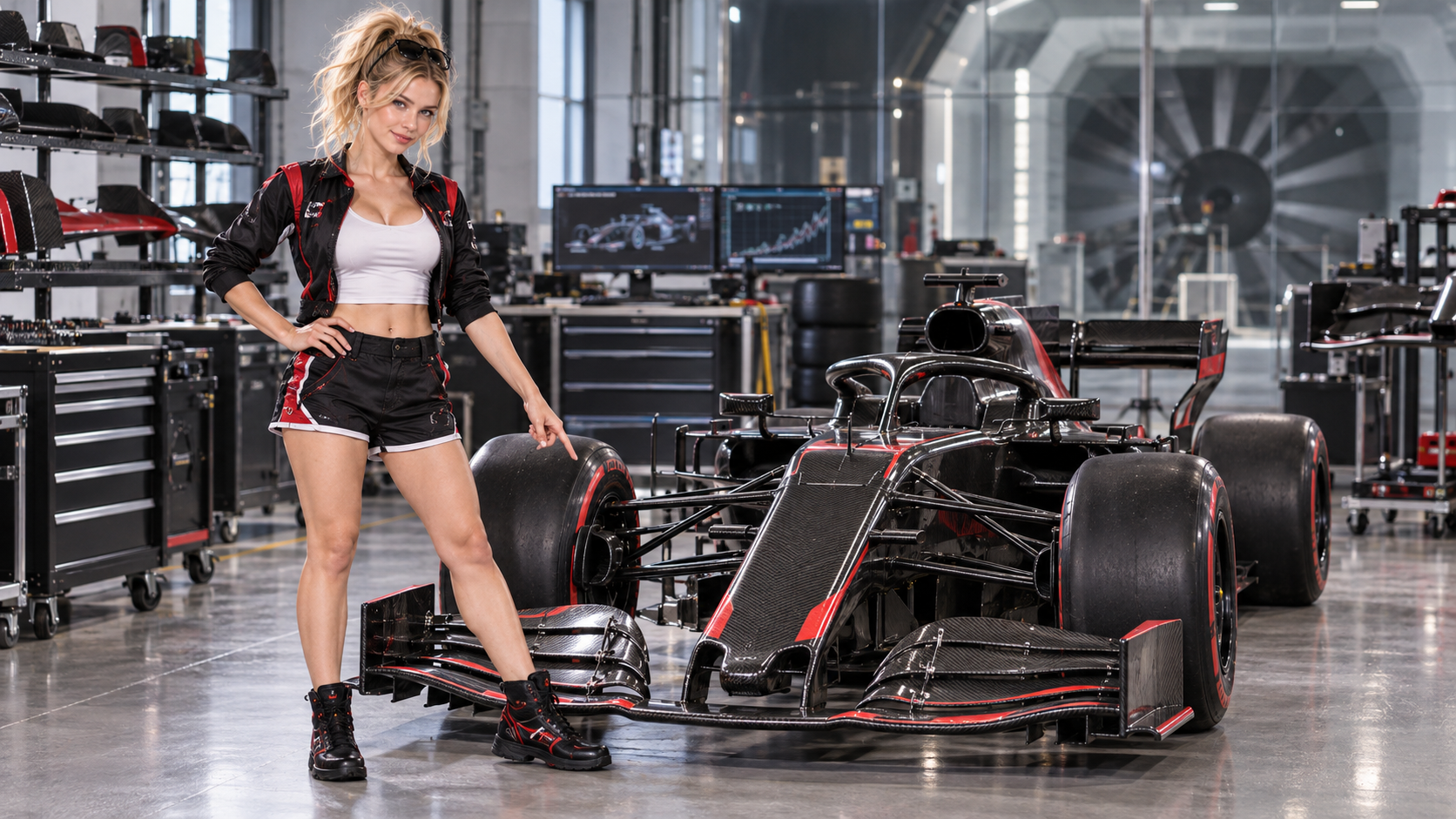
How a Formula 1 Car Creates Downforce
Learn how Formula 1 cars use wings, ground-effect floors, diffusers and aerodynamic balance to turn airflow into cornering performance.
Read the article